Neurology-Led Care in Gangdong-gu, Seoul · 1:1 Specialist Consultation
en-US

Limb, Leg & Back Pain Evaluation
Limb, leg and back pain evaluation in Seoul: neurologist-led history, physical and neurological examination, and nerve or imaging tests selected to find the cause.
Limb, Leg & Back Pain Evaluation
Medically reviewed by Dr.Ho-Sang Yoon, MD, Board-certified Neurologist
A limb, leg and back pain evaluation in Seoul is an assessment rather than a treatment, and the clinic says so directly: it does not necessarily provide immediate pain relief. Limb, Leg & Back Pain Evaluation is a medical assessment used to identify the possible causes of pain, discomfort, numbness, or weakness affecting the limbs, legs, or back. Seoulhoho Hospital, in Gangdong-gu, Seoul, runs it as the diagnostic front end of its non-surgical pain service.
What Is a Limb, Leg & Back Pain Evaluation?
The evaluation combines three sources of information, and the tests come last rather than first.
It reviews symptoms and medical history.
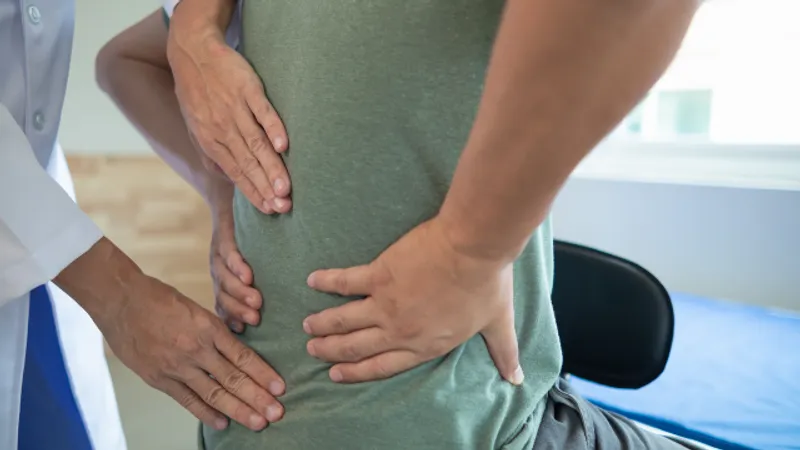
It includes a physical and neurological examination.
Diagnostic tests are added when needed, to guide an appropriate treatment plan.
Depending on the suspected cause, that may involve X-ray, MRI, ultrasound, electromyography, or other diagnostic equipment.
It can help identify the possible cause of pain, detect conditions requiring further investigation, and guide treatment.
Pain in a limb or the back can be musculoskeletal, nerve-related, or referred from elsewhere, and the distinction changes the treatment entirely. NINDS's account of pain separates acute from chronic pain and treats nerve-related pain as a category with its own mechanisms — which is why an examination that tests strength, reflexes, and sensation carries information that no amount of describing the pain can supply.
Who Performs the Evaluation at Seoulhoho Hospital
Dr. Ho-Sang Yoon M.D.
Representative Director and Neurology Specialist
Dr. Ho-Sang Yoon, Representative Director and Chief Neurologist, sees and assesses each patient personally. The clinic describes direct treatment by a neurologist, with individualised planning based on the diagnostic findings.
He is a board-certified neurologist whose listed subspecialty expertise includes non-surgical pain treatment. He graduated from Dongguk University College of Medicine, completed neurology specialist training at Dongguk University Hospital, and worked as a clinical professor at the Seoul National University Bundang Hospital Sleep/Epilepsy Center and at Dongguk University Ilsan Hospital. He is a full member of the Korean Neurological Association, the Korean Society of Clinical Neurophysiology, the Korean Society of Neuromuscular Disorders, the Korean Association of Electromyography and Electrodiagnostic Medicine, the Korean Society of Encephalitis/Neuroinflammation, the Korean Headache Society, and the Korean Stroke Society.
Those two neuromuscular and electrodiagnostic memberships are the relevant ones for an evaluation that may turn on a nerve conduction study. Because all consultations are his, the clinician who examines the leg is the clinician who interprets the electrodiagnostic result and the clinician who decides whether treatment follows.
What the Evaluation Can Include
| Element | What it contributes |
|---|---|
| Symptom and medical history review | The pattern: where, how long, what makes it worse, what has been tried |
| Physical examination | Movement, tenderness, and the mechanics of the affected area |
| Neurological examination | Strength, reflexes, and sensation — where nerve involvement shows |
| Electromyography and nerve conduction studies | Objective assessment of nerve and muscle function |
| Imaging — X-ray, MRI, ultrasound | Structural information, where the examination raises a structural question |
| Blood tests | Systemic contributors |
The evaluation may be combined with diagnostic imaging, blood tests, nerve conduction studies, electromyography, or other assessments where clinically appropriate. Which of them is used depends on the suspected cause rather than on a standard package.
The difference between the imaging entries and the electrodiagnostic ones is worth understanding, because patients often arrive asking for the wrong one. Imaging describes structure: what a disc, a joint, or a soft tissue looks like at the moment of the scan. Electromyography and nerve conduction studies describe function: whether a nerve is conducting normally and whether the muscle it supplies is responding as it should. A scan can show a finding that is not causing the pain, and a nerve study can show impairment where the scan looked unremarkable. That is exactly why the examination comes first — it is what decides which of those two questions is the one worth answering, and in which limb.
Who Is a Good Candidate for This Evaluation?
People with persistent pain in the limbs, legs, or back.
People with recurring or unexplained pain in those areas.
People with worsening pain, particularly where it affects daily activities.
People with numbness or tingling in a limb or leg.
People with weakness in a limb or leg.
People with discomfort that has not been explained by previous assessment.
Suitability otherwise depends on the individual's medical condition. The clear exception is urgency: people with symptoms that may indicate a medical emergency should seek urgent medical assessment rather than wait for a routine pain evaluation. Sudden weakness, loss of bladder or bowel control, or rapidly progressing neurological symptoms are not things to hold for a scheduled appointment.
The candidate list is deliberately about duration and character rather than about severity. Pain that is severe but recent and clearly mechanical often settles without investigation; pain that is moderate but persistent, recurring, or accompanied by numbness or weakness is the pattern where an evaluation changes what happens next. Numbness and weakness are the two items on that list that most raise the value of a neurological examination, because they point to nerve involvement rather than to tissue irritation, and they are also the two symptoms patients most often leave out when describing a painful limb.
What to Expect: Procedure, Recovery, and Results Timeline
The doctor reviews symptoms and medical history, performs a physical and neurological examination, and may recommend imaging, blood tests, or nerve-related tests where appropriate. That is the whole shape of the visit, and the decision about testing is made from the examination rather than from the complaint.
Preparation is practical. Bring relevant medical records, previous imaging or test results, and a list of current medications and medical conditions, and wear comfortable clothing that allows the affected area to be examined. Do not stop prescribed medication without medical advice, and tell the doctor about all medications, supplements, allergies, and existing conditions.
| Stage | Timing |
|---|---|
| Basic evaluation | May be completed during a single outpatient visit |
| Duration | Varies with symptoms, complexity, and whether tests are added |
| Initial findings | Discussed during or shortly after the evaluation |
| Imaging, laboratory, or nerve study results | Require additional time |
| Final assessment | Once examination and required tests have been reviewed |
| Follow-up visits | Recommended based on the findings |
A routine evaluation generally requires no recovery period, and normal activities can usually be resumed afterwards; recovery applies only where an additional procedure is performed. The findings remain relevant to the current assessment but may need reassessment if symptoms change — which is a useful thing to know before treating a report as permanent.
For travelling patients, many routine evaluations can be completed during a short outpatient visit, though additional testing or follow-up requires more time. After a routine evaluation, patients can generally travel once the consultation and any immediate testing are complete; where additional procedures are performed, the doctor should confirm when flying is appropriate.
Aftercare is following through: follow the doctor's recommendations after the evaluation, and complete any recommended diagnostic tests or follow-up appointments. That second half is where an evaluation most often fails to deliver — a test recommended and not done leaves the question exactly where it was. U.S. patients typically request this evaluation to identify possible causes of persistent pain, numbness, weakness, or other symptoms and to determine a treatment direction, which is the useful output when symptomatic treatment at home has not resolved the problem.
Combining the Evaluation with Other Services
Nerve block and prolotherapy. The treatment service that may follow where an injectable target is identified.
Pain treatment. The parent specialty, with glucose-based nerve injection and IV options.
Limb pain and tremor evaluation. Where movement symptoms accompany the pain.
Autonomic function testing. Where numbness or circulation-related symptoms suggest an autonomic contribution.
Internal medicine testing. Blood testing where a systemic contributor needs excluding.
The sequence across those services is the argument for having them in one place. An evaluation that ends in "a nerve is involved at this level" is immediately actionable inside the same clinic; an evaluation that ends in "this is musculoskeletal and structural" points outward, and the clinic's stated practice is to arrange referral rather than to treat outside its non-surgical scope. Either conclusion is a useful result. What is not useful is an evaluation that stops at describing the pain, and that is the outcome the testing set exists to avoid. Read more about Seoulhoho Hospital, or contact the clinic.
Safety, Precision, and Clinic Standards
Sudden severe headache, sudden weakness or numbness on one side, sudden trouble speaking or understanding speech, sudden vision loss, or a first-ever seizure are medical emergencies: call local emergency services rather than booking an outpatient appointment.
A routine evaluation generally carries minimal risk and has no significant side effects. Temporary discomfort may occur during the physical examination or during certain diagnostic tests — nerve-related tests in particular can be briefly uncomfortable. Where imaging, injections, or other procedures are performed, their individual risks should be discussed with the doctor beforehand rather than assumed to be covered by the evaluation's own low risk.
The clinic has not documented a formal risk-reduction protocol specific to this evaluation, and this page does not invent one. What is documented is the diagnostic capability behind it: cerebral blood-flow and carotid ultrasound, nerve conduction testing, electromyography, autonomic function testing, electroencephalography, and brain MRI with MRA are available within the clinic's evaluation system, and findings are used to establish the treatment plan. Quality control is documented at physician level: the treating neurologist holds EEG and polysomnography quality-control certification, and the clinic states that studies of that kind are interpreted directly by a neurologist.
Consultations are supported by AI real-time translation (smart glasses), which is assistive technology and not a professional medical interpreter service. Seoulhoho Hospital is a registered medical institution in South Korea with business registration number 287-93-01985, and a Registered Medical Institution for Attracting Foreign Patients certified by the Ministry of Health and Welfare under the Medical Overseas Expansion and Foreign Patients Attraction Act. Treatment rooms are private and single-occupancy.
The clinic's claim for this service is a single sentence and deliberately modest: the evaluation can help assess possible causes of limb, leg, and back pain and guide further diagnostic or treatment decisions. It does not promise relief, and it does not promise that a cause will be identified.
The Bottom Line
The evaluation identifies possible causes of limb, leg, and back pain; it is not itself a pain treatment.
History, physical examination, and neurological examination come before any test.
Tests are selected from the findings — X-ray, MRI, ultrasound, EMG, nerve conduction studies, or blood work.
Initial findings are discussed at the visit; imaging and nerve study results take longer.
Emergency-type symptoms need urgent assessment, not a scheduled evaluation.
Frequently Asked Questions
Will this appointment make my pain better?
Not by itself. The clinic states plainly that the evaluation does not necessarily provide immediate pain relief — its purpose is to identify the possible cause, detect anything needing further investigation, and guide a treatment plan. Treatment, where it is appropriate, follows from what the evaluation finds.
Is the evaluation painful?
Generally not, although some physical examination manoeuvres or nerve-related tests may cause temporary discomfort. A nerve conduction study involves small electrical stimuli, which most people describe as brief and odd rather than painful. The clinician explains what a specific test involves before doing it.
What should I bring?
Relevant medical records, previous imaging or test results, and a list of current medications and medical conditions. Wear clothing that allows the affected area to be examined. Prior imaging is especially useful, because it tells the clinician what has already been looked at and what has changed since.
Which tests will I need?
That depends on the suspected cause. The evaluation may involve X-ray, MRI, ultrasound, electromyography, or other diagnostic equipment, and it may be combined with blood tests or nerve conduction studies where clinically appropriate. None of those is booked before the examination has suggested it.
When will I know the answer?
Initial findings may be discussed during or shortly after the evaluation. Results from imaging, laboratory tests, or nerve studies require additional time, and the final assessment is available once the examination and all required tests have been reviewed.
How long should I stay in Korea?
Many routine evaluations can be completed during a short outpatient visit. Additional testing or follow-up requires more time, so if you suspect imaging or an electrodiagnostic study will be wanted, allow for it when planning the trip.
Can I fly afterwards?
After a routine evaluation, generally yes, once the consultation and any immediate testing are complete. If an additional procedure is performed — an injection, for instance — the doctor should confirm when flying is appropriate.
What should I avoid beforehand?
Do not stop prescribed medications without medical advice. Tell the doctor about all medications, supplements, allergies, and existing medical conditions; blood thinners and supplements matter particularly if an injection might follow the evaluation.
Book a Consultation at Seoulhoho Hospital
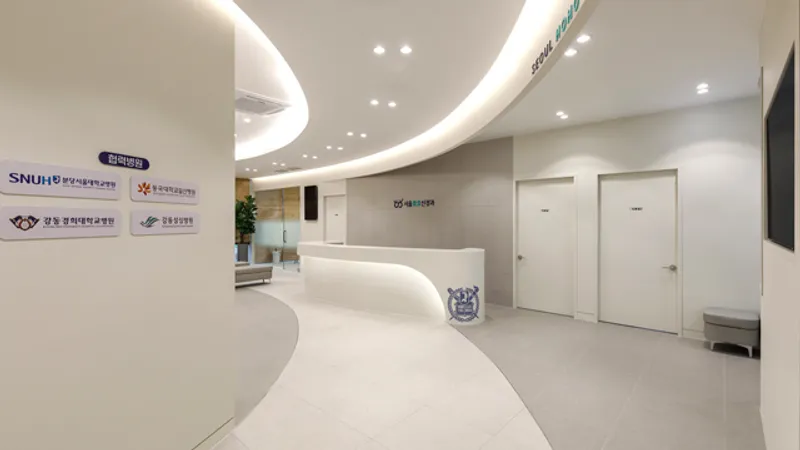
For a limb, leg, or back pain evaluation in Gangdong-gu, Seoul, contact Seoulhoho Hospital. Seoulhoho Hospital is in Gangdong-gu, Seoul. Phone +82-2-441-1190. Opening hours are Monday, Tuesday, Thursday and Friday 09:00–20:00, Wednesday and Saturday 09:00–13:00, with lunch from 13:00 to 14:00, closed Sundays and public holidays. Say where the pain is and whether anything is numb or weak — the second question is the one that shapes the examination.
Disclaimer
Medical information provided by Seoulhoho Hospital is for general informational purposes only and does not replace consultation, diagnosis, or treatment by a qualified medical professional. Individual treatment suitability and outcomes may vary. Please consult the hospital for personalized medical advice.