Personalized care, from your first consultation
en-US
Neurology
Neurology in Seoul at Seoulhoho Hospital: a board-certified neurologist personally assesses headache, dizziness, epilepsy, memory, sleep and nerve symptoms in Gangdong-gu.

Neurology at Seoulhoho Hospital in Seoul

Medically reviewed by Dr.Ho-Sang Yoon, MD, Board-certified Neurologist
Neurology in Seoul, for a patient arriving from the United States, usually begins with a single practical question: is this symptom coming from the nervous system, and what would confirm it? Seoulhoho Hospital is a neurology-led clinic in Gangdong-gu, Seoul, established in April 2025, where that question is put to a board-certified neurologist directly rather than to a rotating team. The clinic's neurology service covers headache, dizziness, stroke-related concerns, epilepsy, memory change, facial palsy, shingles-related nerve pain, limb pain and tremor, eye twitching, and autonomic nervous system symptoms.
What Is Neurology?
Neurology is the medical specialty that diagnoses and treats conditions affecting the brain, spinal cord, peripheral nerves, and muscles. A neurology consultation at Seoulhoho Hospital evaluates symptoms that may involve any of those structures — headaches, dizziness, numbness, weakness, tremors, memory changes, sleep problems, or other neurological concerns.
The consultation is a diagnostic assessment, not a procedure: the neurologist takes a history, examines the nervous system, and then decides whether any test is needed.
A neurological examination tests functions such as balance, reflexes, strength, coordination, and speech, and the pattern of findings is what narrows the list of possible causes.
Diagnostic testing is selected after the examination, not ordered in advance of it.
An initial consultation takes approximately 20 to 60 minutes, depending on complexity.
Additional diagnostic tests require separate time and may need another appointment.
Neurological conditions cover a wide range, and the reason a symptom needs a specialist is usually that its cause is not obvious from the symptom alone. Shaking in the hands, for example, can be a movement disorder in its own right, a reaction to a medicine, or a consequence of an overactive thyroid; NINDS describes these categories, and distinguishing between them is exactly the work a neurological examination does.
Who Performs Neurology at Seoulhoho Hospital
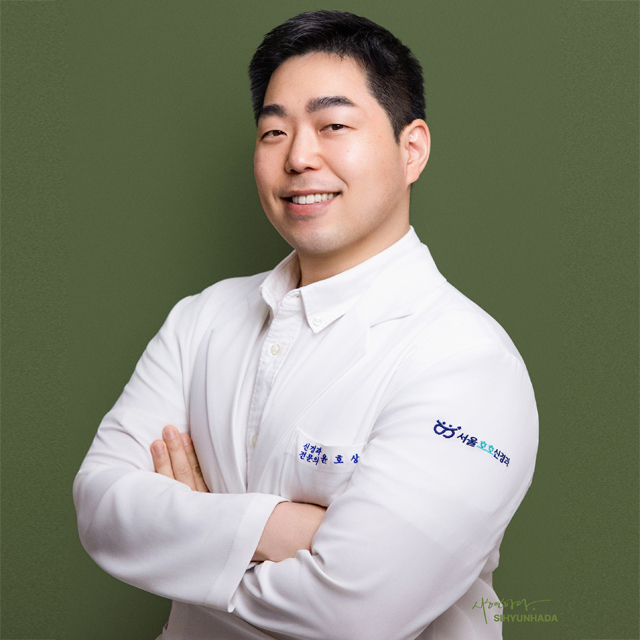
Dr. Ho-Sang Yoon
Board-certified Neurologist and Representative Director
Dr. Ho-Sang Yoon is the Representative Director and Chief Neurologist of Seoulhoho Hospital, and he sees and assesses each patient personally. He is a board-certified neurologist, a graduate of Dongguk University College of Medicine who completed neurology specialist training at Dongguk University Hospital, and a former clinical professor at the Seoul National University Bundang Hospital Sleep/Epilepsy Center and at Dongguk University Ilsan Hospital.
His core specialisations are sleep disorders, epilepsy, headache, and dizziness — a combination the clinic notes is uncommon locally. He is certified as an EEG quality-control physician and as a polysomnography quality-control physician, and the clinic states that sleep studies and EEG are interpreted directly by a neurologist rather than passed to an outside reader.
He is a full member of the Korean Neurological Association, the Korean Society of Clinical Neurophysiology, the Korean Society of Neuromuscular Disorders, the Korean Association of Electromyography and Electrodiagnostic Medicine, the Korean Society of Encephalitis/Neuroinflammation, the Korean Headache Society, and the Korean Stroke Society. Because he provides all consultations himself, the clinician who takes your history is also the clinician who examines you, chooses the tests, reads the results, and plans the follow-up.
His stated philosophy is walking together toward a life of greater balance and well-being, which is also the clinic's own mission: "We will walk together on the path toward a balanced life." The principles the clinic lists under it are empathetic diagnosis, clear explanation, evidence-based practice and new medical technology, continued innovation, and putting patients first. In a specialty where the same symptom can point in several directions at once, the practical value of that stance is the second item on the list: a patient should leave knowing not only what the neurologist concluded but how the conclusion was reached, and what would change it.
Neurology Services Available at Seoulhoho Hospital
The clinic's neurology department is organised around ten symptom-led services. Which one applies is decided at the consultation, not before it, and more than one may be relevant to the same visit.
| Service | The symptom or concern it addresses |
|---|---|
| Headache Diagnosis & Treatment | Recurring, persistent, or changing headache, including migraine-pattern headache |
| Dizziness Diagnosis & Treatment | Dizziness, vertigo, imbalance, and unsteadiness |
| Stroke | Assessment of stroke-related symptoms, risk factors, and warning signs |
| Epilepsy | Seizures, suspected seizures, and epilepsy follow-up |
| Dementia | Memory change and cognitive decline |
| Facial Palsy | Facial weakness or drooping and its cause assessment |
| Shingles | Shingles rash and the nerve pain that can follow it |
| Limb Pain & Tremor Evaluation | Hand, arm, or leg pain, and tremor or other movement symptoms |
| Eye Twitching | Eyelid and facial twitching or spasm |
| Autonomic Nervous System Disorder Treatment | Orthostatic symptoms and other autonomic complaints |
Alongside neurology, the clinic provides internal medicine, pain treatment, sleep disorder treatment, and an IV infusion programme, so a symptom that turns out not to be neurological does not necessarily mean starting again elsewhere.
Who Is a Good Candidate for Neurology?
Adults with persistent, recurring, unexplained, or changing neurological symptoms.
Patients with an existing neurological condition that needs follow-up.
Individuals seeking a review of previous neurological tests.
Individuals seeking another medical opinion on a neurological diagnosis.
Patients who want recurring headaches or migraines understood rather than only medicated.
Patients investigating dizziness, balance problems, or unexplained numbness.
Patients who want a specialist assessment of memory changes or tremor.
Patients who want sleep-related symptoms considered for a possible neurological cause.
Suitability depends on symptoms, medical history, examination findings, and urgency. Some symptoms are not appropriate for a routine outpatient appointment at all: patients with sudden facial drooping, one-sided weakness, speech difficulty, sudden severe headache, new seizures, loss of consciousness, or sudden major vision or balance changes should seek emergency medical care rather than wait. Patients who need emergency imaging, hospital admission, or intensive monitoring may need hospital-based care instead of an outpatient clinic.
What to Expect: Procedure, Recovery, and Results Timeline
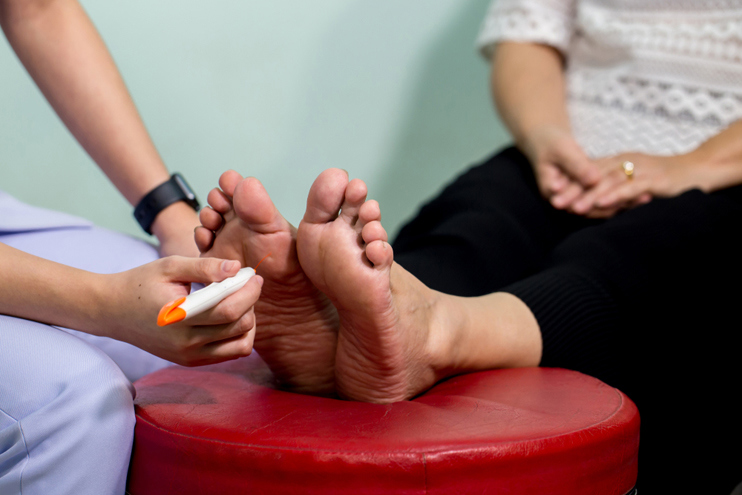
The consultation pathway has seven steps, and the clinic runs them in this order.
Check-in and medical history review.
Discussion of symptoms and concerns.
Review of medications and prior test results.
Neurological examination.
A decision about any necessary diagnostic tests.
Explanation of the findings and possible next steps.
Treatment discussion, follow-up planning, or referral.
Before the visit, the clinic asks patients to submit their symptoms and medical history, provide medication details and previous reports, and confirm appointment availability and language support. An online enquiry can support preliminary history-taking, but it cannot replace an in-person examination, and it is not a route for emergency assessment.
| Stage | What happens | Timing |
|---|---|---|
| Initial consultation | History, examination, test decision | Approximately 20–60 minutes |
| Diagnostic testing | Scheduled separately; may need another appointment | Varies by test |
| Findings discussed | Consultation findings are discussed during the appointment | Same visit |
| Test results | Some are available the same day; others need processing and review | Same day to several days |
| Final diagnosis | May be reached at the first visit, or may need further tests and follow-up | Varies by suspected condition |
There is usually no recovery period after a routine consultation, and most patients resume normal activities immediately unless symptoms, test findings, or medical advice require otherwise. Where treatment follows, the picture is different: some patients need days to weeks of medication adjustment, rehabilitation, monitoring, or follow-up care. A final diagnosis may require multiple visits or further investigation, and there is no universal result duration or maintenance schedule for a neurology consultation.
Aftercare is practical. Follow the neurologist's instructions; ask when and how results will be communicated; keep a record of symptoms and medication changes; take prescribed medication as instructed and raise side effects with the clinician rather than stopping on your own. For patients travelling home to the United States, the clinic advises requesting copies of medical records, prescriptions, test reports, and a written care plan before departure. Many patients can fly after a routine consultation if they are medically stable; patients who have undergone additional tests, or whose symptoms are significant, should ask the doctor before flying. A consultation and diagnostic evaluation can often be completed within one to two days, while treatment that needs monitoring or follow-up may require a longer stay.
Travel planning follows from that. Nonstop services to Seoul Incheon International Airport (ICN) run from several major U.S. airports, and flight duration varies by departure city. U.S. passport holders can generally enter South Korea visa-free for short-term tourism or business stays under current entry rules, subject to government requirements that change from time to time, so the latest position should be verified before booking. The clinic's advice is to arrange the consultation and any diagnostic testing in advance, bring relevant U.S. medical records and medication information, and leave enough time in Seoul for examination, testing, results, and any recommended follow-up before the return flight. Most U.S. patients already have an established pathway at home involving a primary-care physician and one or more specialists, and the clinic's expectation is that recommended follow-up care continues with those providers after the trip.
Combining Neurology with Other Treatments
Diagnostic testing. A neurology consultation may be combined with EEG, EMG and nerve conduction studies, blood tests, brain imaging, or sleep studies.
Sleep disorder treatment. Where a sleep symptom is central, the clinic's in-house polysomnography service can be used to investigate it.
Pain treatment. Nerve-related limb, leg, and back pain can be carried across to the clinic's non-surgical pain treatment service.
Internal medicine. Blood testing and general health screening are available in the same clinic when a systemic cause needs ruling out.
IV infusion. The clinic's infusion programme is a separate service and is planned after assessment, not as part of a neurological diagnosis.
Read more about Seoulhoho Hospital or contact the clinic to ask which combination applies to your symptoms.
Safety, Precision, and Clinic Standards
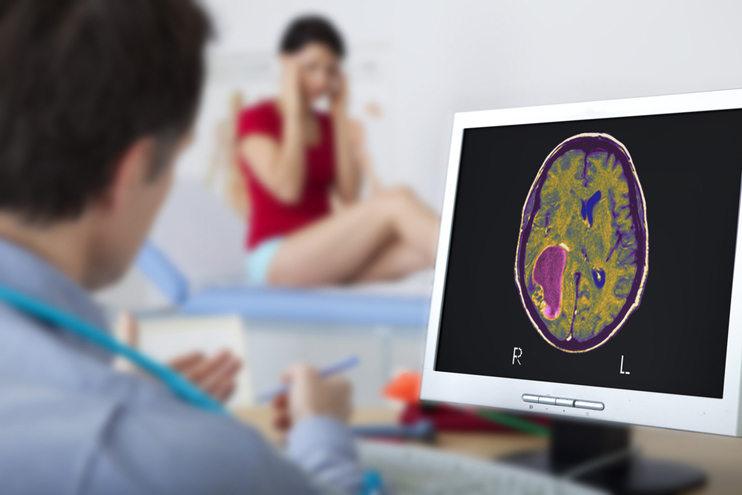
Sudden severe headache, sudden weakness or numbness on one side, sudden trouble speaking or understanding speech, sudden vision loss, or a first-ever seizure are medical emergencies: call local emergency services rather than booking an outpatient appointment.
A consultation and a standard neurological examination are generally low risk. The risks that do exist belong mostly to what follows: some patients experience temporary discomfort from tests, medication side effects, allergic or adverse reactions, or symptoms that persist or change despite treatment. Some tests cause temporary discomfort, skin irritation, or mild bruising, depending on which test is performed. Each test carries its own risks and precautions, and the clinic's stated practice is to explain them before the test rather than after.
The clinic's risk-reduction process is a review rather than a protocol number. The neurologist reviews medical history, medications, symptoms, and examination findings before recommending any test; test-specific precautions are explained; and referral is arranged when care beyond the clinic's scope is needed. Quality control is documented at the level of the physician: Dr. Yoon holds EEG and polysomnography quality-control certification, and the clinic states that it works from evidence-based diagnosis, clear explanation, and appropriate follow-up. Seoulhoho Hospital is a registered medical institution in South Korea with business registration number 287-93-01985, and it is a Registered Medical Institution for Attracting Foreign Patients certified by the Ministry of Health and Welfare under the Medical Overseas Expansion and Foreign Patients Attraction Act.
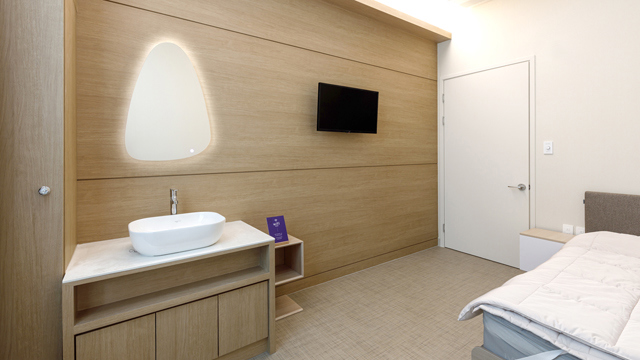
Consultations are supported by AI real-time translation (smart glasses), which is assistive technology and not a professional medical interpreter service. The clinic has used AI translation technology with an international patient before, so the process is established rather than theoretical, and the same assistance can be used after a visit to help a patient understand follow-up instructions. Diagnostic testing is available on site — cerebral blood-flow ultrasound, autonomic function testing, nerve conduction studies, and in-house polysomnography — and treatment rooms are private and single-occupancy, with four single-person rooms and three larger single-person rooms.
The concerns U.S. patients raise most often about care abroad are about verification rather than about medicine: whether the physician's board certification is recognisable, what the quality-assurance standards are, how medical information is kept private, and whether language support is genuinely adequate. Several of those are answerable from the records above — the board certification, the university-hospital training, the EEG and polysomnography quality-control certification, the ministry registration, the business registration number. One of them is answerable only by being specific about limits, which is why this page states plainly that translation support is AI-assisted. Patients also commonly want to know who performs and interprets the diagnostic tests; here the answer is the same neurologist who ordered them.
Uncertainty is part of the honest version of this specialty. A neurology consultation can help evaluate neurological symptoms, guide diagnostic testing, and support an individualised care plan. It cannot guarantee a diagnosis, a cure, permanent relief, or the prevention of neurological disease, and this clinic does not claim that it can.
The Bottom Line
Neurology at Seoulhoho Hospital is a board-certified neurologist's assessment of symptoms that may involve the brain, spinal cord, nerves, or muscles.
Dr. Ho-Sang Yoon sees every patient personally, from history-taking through testing, interpretation, and follow-up.
Ten symptom-led services sit under the department, from headache and dizziness to epilepsy, memory change, and autonomic symptoms.
An initial consultation runs roughly 20 to 60 minutes; tests are scheduled separately and some results come back the same day.
Sudden, severe, or rapidly worsening neurological symptoms are an emergency and need emergency services, not an outpatient booking.
Frequently Asked Questions
Do I need a referral to see a neurologist at Seoulhoho Hospital?
The clinic takes direct appointments, and the practical requirement is information rather than paperwork. Bring your medical records, previous test results, a current medication list, and a description of your symptoms. If a U.S. physician has already investigated the problem, their reports shorten the consultation considerably.
How long will I need to be in Seoul?
That depends on your condition, the tests involved, and the treatment plan. Some consultations and diagnostic evaluations are completed within one to two days. Treatment that needs monitoring or follow-up may require a longer stay, and it is worth asking before you fix return travel.
Will I see the same doctor at every visit?
Yes. Dr. Yoon is the clinic's Representative Director and provides all consultations personally, which is the clinic's stated model of care. Continuity of that kind matters most in neurology, where a diagnosis often emerges across visits rather than in one.
Can I get documentation for my doctor at home?
The clinic's aftercare instructions specifically include requesting copies of medical records, prescriptions, test reports, and a written care plan before returning to the United States. Ask for them at the visit rather than after you have left.
What could go wrong?
Risks depend on the condition, the tests, the medication, and the treatment involved. Possible problems include medication side effects, a delayed or revised diagnosis, treatment complications, or symptoms that simply do not improve. A detailed evaluation and a review of previous medical records help reduce them, which is why prior reports are worth bringing.
Is there anything I should avoid before the appointment?
Do not stop prescribed medication, fast, or change your routine unless your doctor tells you to. If a diagnostic test is already planned, follow the specific preparation instructions for that test, and confirm with the clinic whether any preparation is needed at all.
What happens if my symptoms change after I fly home?
Contact the clinic by phone on +82-2-441-1190 or through its website. Follow-up questions about medication, symptoms, or test results can be raised with the treating neurologist, and any care you were advised to continue should be continued with your providers in the United States.
Does a consultation hurt?
A neurological examination is a physical assessment — balance, reflexes, strength, coordination, sensation — and it does not involve any incision or injection. Individual diagnostic tests vary, and the clinic explains what a specific test involves before it is carried out.
Book a Consultation at Seoulhoho Hospital
To arrange a neurology consultation in Gangdong-gu, Seoul, contact Seoulhoho Hospital. Seoulhoho Hospital is in Gangdong-gu, Seoul. Phone +82-2-441-1190. The clinic is open Monday, Tuesday, Thursday and Friday 09:00–20:00, and Wednesday and Saturday 09:00–13:00, with lunch from 13:00 to 14:00, and is closed on Sundays and public holidays. When you enquire, describe the symptom, say how long it has been going on, and list the medicines you take — that is what lets the clinic tell you whether a neurology appointment is the right one.
Disclaimer
Medical information provided by Seoulhoho Hospital is for general informational purposes only and does not replace consultation, diagnosis, or treatment by a qualified medical professional. Individual treatment suitability and outcomes may vary. Please consult the hospital for personalized medical advice.