Personalized care, from your first consultation
en-US
Pain Treatment
Pain treatment in Seoul at Seoulhoho Hospital: neurologist-led evaluation to find the cause of pain, then non-surgical treatment including glucose-based nerve injection.

Pain Treatment at Seoulhoho Hospital in Seoul
Medically reviewed by Dr.Ho-Sang Yoon, MD, Board-certified Neurologist
Pain treatment in Seoul at Seoulhoho Hospital is organised around a claim that sounds modest and is actually the whole design: the point is to find out why it hurts. Pain Treatment at this clinic focuses on identifying the underlying cause of pain through neurological evaluation and then providing an individualised treatment plan. The clinic is in Gangdong-gu, Seoul, its pain service is non-surgical, and its stated aim is to identify the cause of symptoms rather than provide only temporary relief.
What Is Pain Treatment?
Pain Treatment here is a two-stage service: a neurological evaluation, then a treatment chosen from what the evaluation found.
The clinic evaluates the possible cause of pain and neurological symptoms before selecting treatment.
The diagnostic set includes blood tests, cerebral blood-flow and carotid artery ultrasound, nerve conduction testing and electromyography, AFT testing, electroencephalography, and brain MRI with MRA.
The findings are used to establish an appropriate treatment plan.
Treatment offered includes nerve injection therapy using glucose, 3B IV therapy, and personalised IV therapy based on functional medicine and neurological examination.
The service is non-surgical throughout.
Pain is not a single thing, and the reason the evaluation matters is that its varieties respond to different treatments. NINDS's account of pain distinguishes acute from chronic pain and describes nerve-related pain as its own category with its own mechanisms — a distinction that decides whether the sensible target is a nerve, a muscle, a joint, or an underlying condition somewhere else entirely.
Who Performs Pain Treatment at Seoulhoho Hospital

Dr. Ho-Sang Yoon
Board-certified Neurologist and Representative Director
Dr. Ho-Sang Yoon, Representative Director and Chief Neurologist, sees and assesses each patient personally, and the clinic describes direct treatment by a neurologist with individualised planning based on the diagnostic findings.
He is a board-certified neurologist whose listed subspecialty expertise includes non-surgical pain treatment. He graduated from Dongguk University College of Medicine, completed neurology specialist training at Dongguk University Hospital, and worked as a clinical professor at the Seoul National University Bundang Hospital Sleep/Epilepsy Center and at Dongguk University Ilsan Hospital. He is a full member of the Korean Neurological Association, the Korean Society of Clinical Neurophysiology, the Korean Society of Neuromuscular Disorders, the Korean Association of Electromyography and Electrodiagnostic Medicine, the Korean Society of Encephalitis/Neuroinflammation, the Korean Headache Society, and the Korean Stroke Society.
Two of those memberships — neuromuscular disorders, and electromyography and electrodiagnostic medicine — are the ones that matter for a pain service built on nerve conduction testing and EMG. Because he provides all consultations himself, the clinician who orders the electrodiagnostic study is the clinician who reads it and the clinician who performs the injection if one follows. His stated philosophy is walking together toward a life of greater balance and well-being, and the clinic's own principles list empathetic diagnosis and clear explanation first — which in a pain service means a patient should leave knowing what the diagnosis is based on, not only what was injected.
Pain Treatment Options Available
| Option | What the clinic describes |
|---|---|
| Nerve injection therapy using glucose | Glucose-based nerve injection without steroids, intended to relax overexcited nerves and muscles, improve blood flow, and support physical recovery |
| 3B IV therapy | An IV therapy offered within the clinic's pain-related options |
| Personalised IV therapy | Based on functional medicine and neurological examination |
| Autonomic nervous system therapy | Part of the broader treatment approach where autonomic findings are relevant |
| Sleep disorder treatment | Part of the broader approach, where sleep is implicated |
| Functional medicine fluid therapy | Listed among the clinic's wider pain-related treatments |
The clinic's own emphasis on the injection is about what it leaves out: it provides glucose-based nerve injection therapy without steroids, and it discusses the potential adverse effects associated with repeated steroid injections as the reason. A complete complication list for the glucose-based injection itself is not published, so this page does not present one — ask for the specific risks at the consultation.
It is worth being precise about what that list is and is not. Several of the entries are treatments the clinic groups into its wider pain approach rather than separate products: autonomic nervous system therapy, sleep disorder treatment, and functional medicine fluid therapy appear because pain frequently arrives with an autonomic or sleep component, and the clinic treats those as part of the same problem rather than as referrals out. The two IV entries are likewise offered inside the pain programme, planned after the assessment. What the table does not contain is any surgical option, and that is deliberate: this is a non-surgical service, and where a surgical answer is the right one, the appropriate step is referral rather than an adapted version of what is available here.
Who Is a Good Candidate for Pain Treatment?
Patients with pain that needs the underlying cause evaluated rather than only managed.
Patients with neurological symptoms alongside the pain.
Patients with numbness in the hands and feet.
Patients with headaches being assessed as part of a broader symptom picture.
Patients with dizziness that accompanies the pain.
Patients with insomnia that accompanies the pain.
Patients who prefer a non-surgical approach and want to know what the alternatives are.
Suitability is confirmed after medical evaluation, and several situations point away from treatment for now. People with undiagnosed or unstable medical conditions, severe or uncontrolled symptoms requiring urgent care, active infections, certain bleeding or clotting problems, or for whom the planned treatment is medically inappropriate may need to avoid or postpone it. Bleeding and clotting problems matter specifically because an injection is involved, which is why blood thinners are on the disclosure list below.
What to Expect: Procedure, Recovery, and Results Timeline
The process runs in four stages, and the first two are diagnostic.
Neurological assessment and diagnostic testing.
Identification of the possible cause of the symptoms.
Selection of an appropriate treatment approach.
Administration of the selected treatment, such as nerve injection therapy or IV therapy.
Preparation is disclosure. Provide your medical history, current medications, allergies, and previous test results before treatment, and follow any fasting or medication instructions given by the treating neurologist. Tell the doctor specifically about blood thinners and supplements — both change the risk profile of an injection — and do not start or stop any medication without medical advice.
| Stage | Timing |
|---|---|
| Consultation and treatment | May be completed during an outpatient visit, depending on condition |
| Treatment time | Varies with the type of treatment and the diagnostic tests required |
| Recovery | Generally short; light daily activities soon after treatment |
| Mild soreness, bruising, discomfort | Usually improves over the following days |
| Symptom relief | Shortly after treatment for some patients; others need further sessions |
| Final result | Assessed at follow-up, against the cause and the response |
Recovery is generally short for non-surgical pain treatment, and many patients can resume light daily activities soon after. Mild soreness, bruising, or temporary discomfort may occur and usually improves over the following days, with the exact timeline depending on the specific treatment and the underlying condition. Results vary with the cause of the pain and the treatment performed: some patients experience relief shortly after treatment, others require additional sessions or ongoing management, and the duration of any result varies by individual. Treatment duration and the number of visits depend on symptoms, the diagnostic evaluation, and the selected treatment, with the schedule determined after consultation.
Aftercare is monitoring plus instructions. Follow the treating clinician's directions, watch the treated area for unusual pain, swelling, bleeding, or other symptoms, and take prescribed medications as directed. For travelling patients, the required stay depends on the treatment type and the diagnostic tests needed; outpatient pain treatment may be completed within a short stay depending on the individual plan. Flying home can generally be considered once the patient is medically stable and any immediate post-treatment observation is complete, with the treating doctor confirming the timing against what was performed.
The alternatives the clinic lists are all within its own non-surgical range — nerve injection therapy, 3B IV therapy, personalised IV therapy, autonomic nervous system therapy, sleep disorder treatment, and functional medicine fluid therapy — and combinations are possible, with IV therapy able to run alongside 3B IV therapy and the neurological evaluation. U.S. patients typically seek pain treatment here for access to neurological evaluation and individualised pain-management approaches, which in practice usually means wanting the cause investigated after symptomatic treatment at home has not settled the problem.
For a patient returning to the United States, the clinic's general aftercare advice applies with particular force to a pain plan: request copies of medical records, prescriptions, test reports, and a written care plan before departure, and continue recommended follow-up with providers at home. A pain diagnosis that cannot be explained to the next clinician loses most of its value at the airport. The specific items worth asking for are the electrodiagnostic report if nerve conduction testing or EMG was done, the imaging report if brain MRI or MRA was performed, and a written note of what was injected and where, since a subsequent clinician assessing the same pain will want to know what has already been excluded.
Combining Pain Treatment with Other Treatments
Limb, leg and back pain evaluation. The evaluation service that most often precedes treatment here.
Nerve block and prolotherapy. The injection service within this specialty.
Autonomic nervous system treatment. Where AFT findings point to an autonomic contribution.
Sleep disorder treatment. Listed by the clinic as combinable with its pain-management approach.
3B IV therapy and personalised IV therapy. Listed among the clinic's own pain-related options.
Internal medicine testing. Blood testing where a systemic contributor needs excluding.
Read more about Seoulhoho Hospital, or contact the clinic to ask which evaluation your symptoms call for.
Safety, Precision, and Clinic Standards
Sudden severe headache, sudden weakness or numbness on one side, sudden trouble speaking or understanding speech, sudden vision loss, or a first-ever seizure are medical emergencies: call local emergency services rather than booking an outpatient appointment.
The risks in a non-surgical pain service are mostly local and mostly temporary, and the clinic lists them plainly: temporary pain, soreness, bruising, swelling, dizziness, headache, or irritation at the treatment site. Depending on the specific treatment, there may also be risks of infection, bleeding, allergic reaction, or temporary changes in symptoms. Some discomfort during an injection — brief stinging or pressure — is expected, and temporary soreness or tenderness can develop afterwards, with the level varying by treatment and individual sensitivity.
The clinic has not published a formal risk-reduction protocol for this specialty, and this page does not invent one. What is documented is the structure that precedes treatment: a full diagnostic set is available on site — cerebral blood-flow and carotid ultrasound, nerve conduction testing, electromyography, AFT testing, electroencephalography, and brain MRI with MRA — and the findings are used to establish the plan. Quality control is documented at physician level rather than as a departmental figure: the treating neurologist holds EEG and polysomnography quality-control certification, and the clinic states that studies of that kind are interpreted directly by a neurologist. Treatment rooms are private and single-occupancy, with four single-person rooms and three larger single-person rooms.
Consultations are supported by AI real-time translation (smart glasses), which is assistive technology and not a professional medical interpreter service. The clinic has used AI translation technology with an international patient before, so the process is established rather than theoretical. Seoulhoho Hospital is a registered medical institution in South Korea with business registration number 287-93-01985, and a Registered Medical Institution for Attracting Foreign Patients certified by the Ministry of Health and Welfare under the Medical Overseas Expansion and Foreign Patients Attraction Act.
The claim boundary is worth restating because pain services are where overclaiming is most common. This clinic states that it uses accurate diagnosis to identify the cause of pain, provides glucose-based nerve injection therapy without steroids, and aims to relax nerve and muscle overexcitation and improve blood flow. Those are aims and methods. The clinic attaches no figure to how often treatment works, no expected length of relief, and no assurance that a cause will be identified in every case — and neither does this page.
The Bottom Line
The service is diagnostic before it is therapeutic: evaluation, cause, then treatment selection.
The on-site diagnostic set runs from blood tests and ultrasound to nerve conduction studies, EMG, AFT, EEG, and brain MRI with MRA.
Treatment is non-surgical: glucose-based nerve injection without steroids, 3B IV therapy, and personalised IV therapy.
Recovery is generally short, with mild soreness or bruising improving over the following days.
Results depend on the cause and the individual; some patients need further sessions or ongoing management.
Frequently Asked Questions
Why does the clinic test before treating?
Because the treatment depends on the cause. Pain from a compressed nerve, pain from an overactive muscle, and pain that reflects a systemic problem are three different targets, and the clinic's stated aim is to identify the cause rather than provide only temporary relief. The diagnostic set exists to make that distinction rather than to be thorough for its own sake.
What is the glucose injection, and why not a steroid?
The clinic provides glucose-based nerve injection therapy without steroids, describing the intention as relaxing overexcited nerves and muscles, improving blood flow, and supporting physical recovery. Its stated reason for avoiding steroids is the potential adverse effects associated with repeated steroid injections. A full complication list for the glucose injection is not published, so ask for the specific risks at the consultation.
Does the treatment hurt?
Some discomfort is expected with an injection — brief stinging or pressure at the time, and temporary soreness or tenderness afterwards. The level varies by treatment and by individual sensitivity. Mild soreness, bruising, or discomfort usually improves over the following days.
How many visits will I need?
That depends on the symptoms, the diagnostic evaluation, and the treatment selected, and the schedule is determined after the consultation. Some patients experience relief shortly after treatment; others require additional sessions or ongoing management, so it is worth asking for an estimate once the plan is set rather than before.
Who should not have this treatment?
People with undiagnosed or unstable medical conditions, severe or uncontrolled symptoms requiring urgent care, active infections, or certain bleeding or clotting problems may need to avoid or postpone it, as may anyone for whom the planned treatment is medically inappropriate. Suitability is confirmed after medical evaluation, not before it.
What do I need to tell the clinic beforehand?
Your medical history, current medications, allergies, and previous test results — and specifically any blood thinners and supplements, plus existing medical conditions. Do not start or stop a medication without medical advice, and follow any fasting or medication instructions the treating neurologist gives.
How long should I stay in Korea?
That depends on the treatment type and which diagnostic tests are needed. Outpatient pain treatment may be completed within a short stay depending on the individual plan, but a full diagnostic workup followed by treatment and a review is a longer proposition. Ask for an estimate when you enquire.
When can I fly?
Generally once you are medically stable and any immediate post-treatment observation is complete. The treating doctor confirms the appropriate timing against the treatment performed and your condition, and that judgement is specific to what was done rather than to the service in general.
Book a Consultation at Seoulhoho Hospital
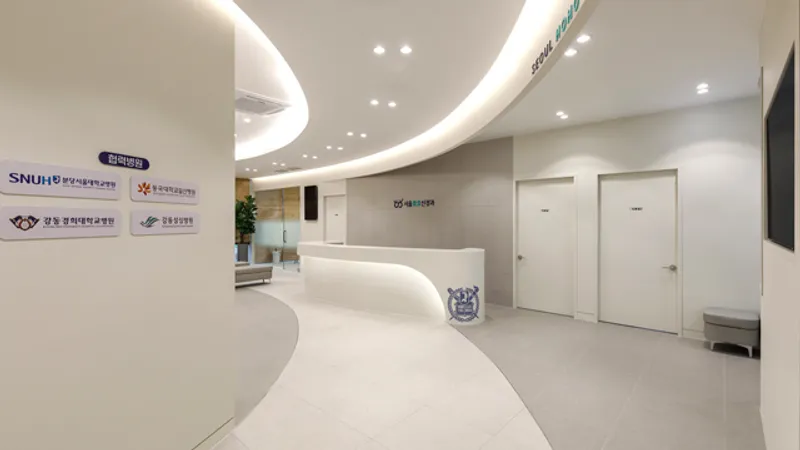
To arrange a pain treatment consultation in Gangdong-gu, Seoul, contact Seoulhoho Hospital. Seoulhoho Hospital is in Gangdong-gu, Seoul. Phone +82-2-441-1190. The clinic is open Monday, Tuesday, Thursday and Friday 09:00–20:00, and Wednesday and Saturday 09:00–13:00, with lunch from 13:00 to 14:00, and is closed on Sundays and public holidays. Describe where the pain is, how long it has been there, and what has already been tried — the third of those changes the evaluation more than the first two.
Disclaimer
Medical information provided by Seoulhoho Hospital is for general informational purposes only and does not replace consultation, diagnosis, or treatment by a qualified medical professional. Individual treatment suitability and outcomes may vary. Please consult the hospital for personalized medical advice.